
Originally published October 27, 2026, at 21:41 UTC+8. The figures and forward-looking calendar below reflect the source’s reporting at that time, not current market conditions.
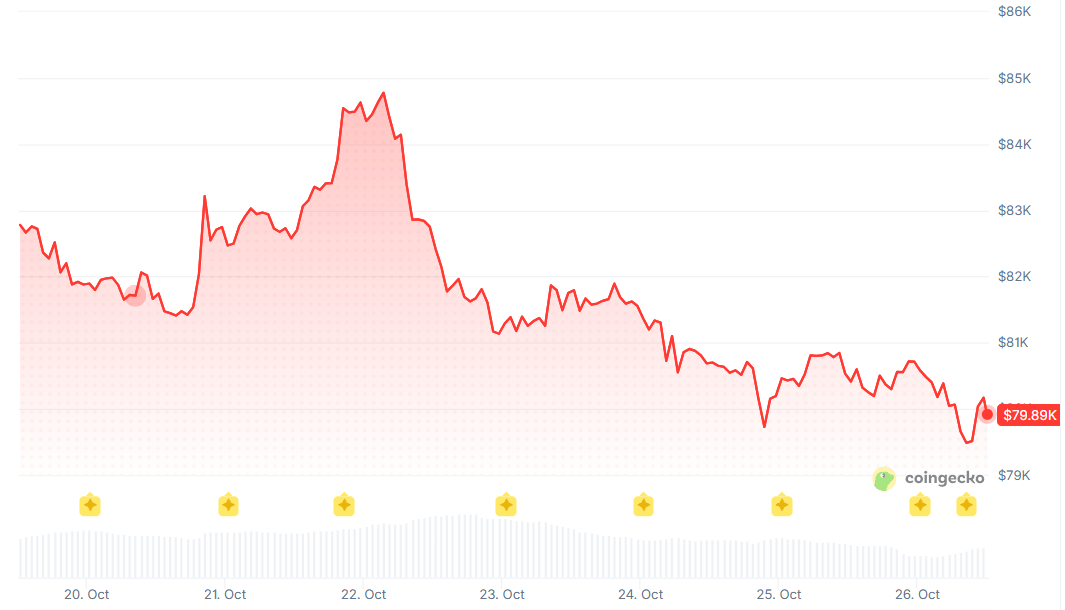
Bitcoin briefly fell below $80,000 over the preceding weekend, reaching $79,280 before a modest rebound, according to the article’s CoinGecko-sourced price account. The valuation question was not whether $80,000 represented an intrinsic value. It was whether investors could continue to support positions built around that price while interest-rate expectations and broader risk appetite were changing.
Fund flows: scale matters more than the headline
The article reported $442.6 million of net outflows from US spot Bitcoin ETFs over the preceding week and a $635.5 million net outflow on October 22. It also reported more than $57 billion of cumulative net inflows since launch and total fund assets of roughly $104 billion–$105 billion. The weekly figure and the larger single-day figure refer to different measurement periods; the article does not provide the intervening daily flows needed to reconcile them.

Those figures describe demand for ETF shares, not Bitcoin network activity, protocol revenue or cash flows to BTC holders. The article noted that BlackRock’s IBIT accounted for both the largest inflow and largest outflow days of the week, limiting what the aggregate flow alone can establish about persistent demand. It reported $224.96 million of outflows from Ethereum funds against $14.5 billion in assets.
Exchange deposits are not confirmed sales
Citing KuCoin on-chain data, the article said retail BTC net deposits to major exchanges rose from $5.5 billion to $10.75 billion over the preceding month, while inflows attributed to whales fell from $5.9 billion in late August to $3.8 billion. Deposits can make coins available to sell, but they do not establish that sales occurred. Nor do they, by themselves, establish that retail investors were buying the dip. The article also reported that Bitcoin traded at a Coinbase discount to BN during the month; it interpreted that measure as a sign of weaker US buyer demand.
What the price levels can—and cannot—show
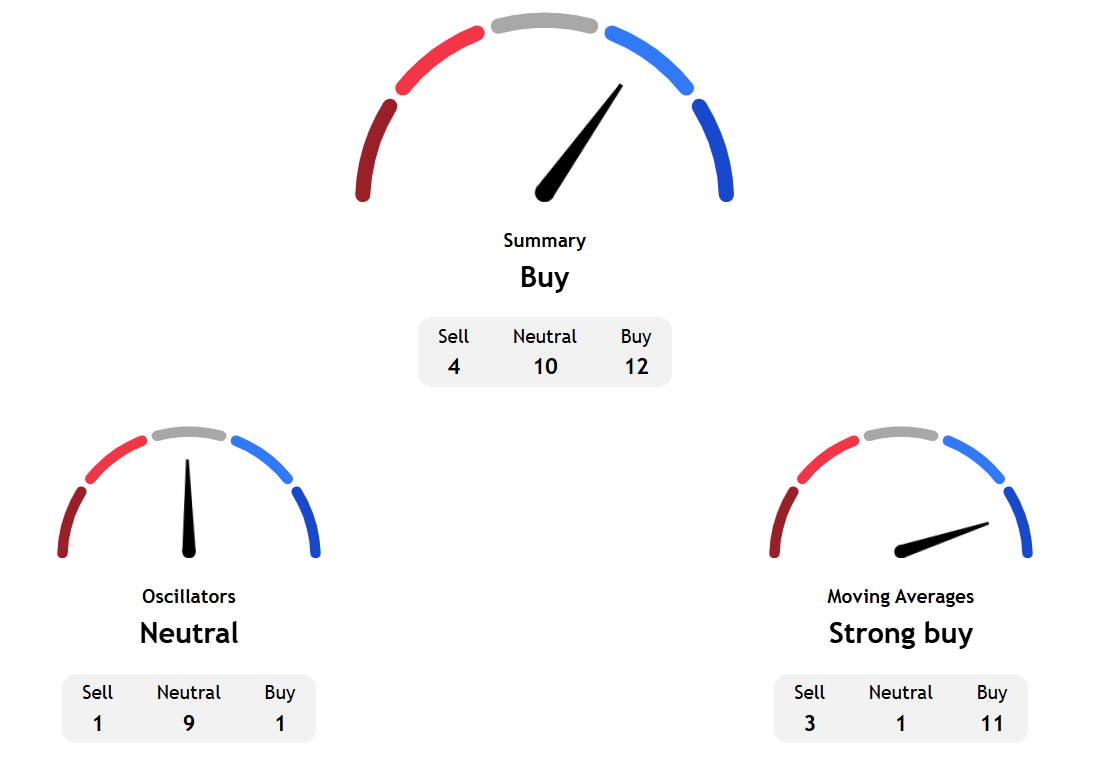
The article cited a $79,821 level previously identified by Bitfinex analysts as a potential liquidation trigger. It reported nearly $400 million of Bitcoin and Ethereum long-position liquidations over four hours and listed short-term Bitcoin moving averages around $81,845–$82,621. These are measures of positioning and price behavior, not independent estimates of fair value. Its proposed downside levels and rebound conditions were scenarios, not established outcomes.
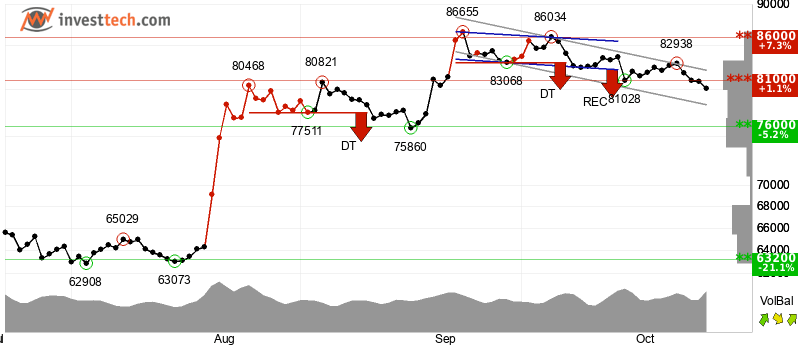
The central assumption in the source’s argument was macroeconomic: uncertainty over the Federal Reserve’s policy path, alongside concern about AI-related financing, could reduce appetite for risky assets. The article attributed differing near-term technical assessments to TradingView and InvestTech. Neither assessment resolves the valuation question without an assumption about future demand and liquidity.
Source: hellobtc.com (originally published 2026-10-27 21:41 UTC+8)